Depth & discussion
Read increasingly complex texts, support an interpretation with evidence, and develop organized written arguments.
The later elementary years invite students to connect ideas, take responsibility for their work, and approach the next stage of school with confidence.
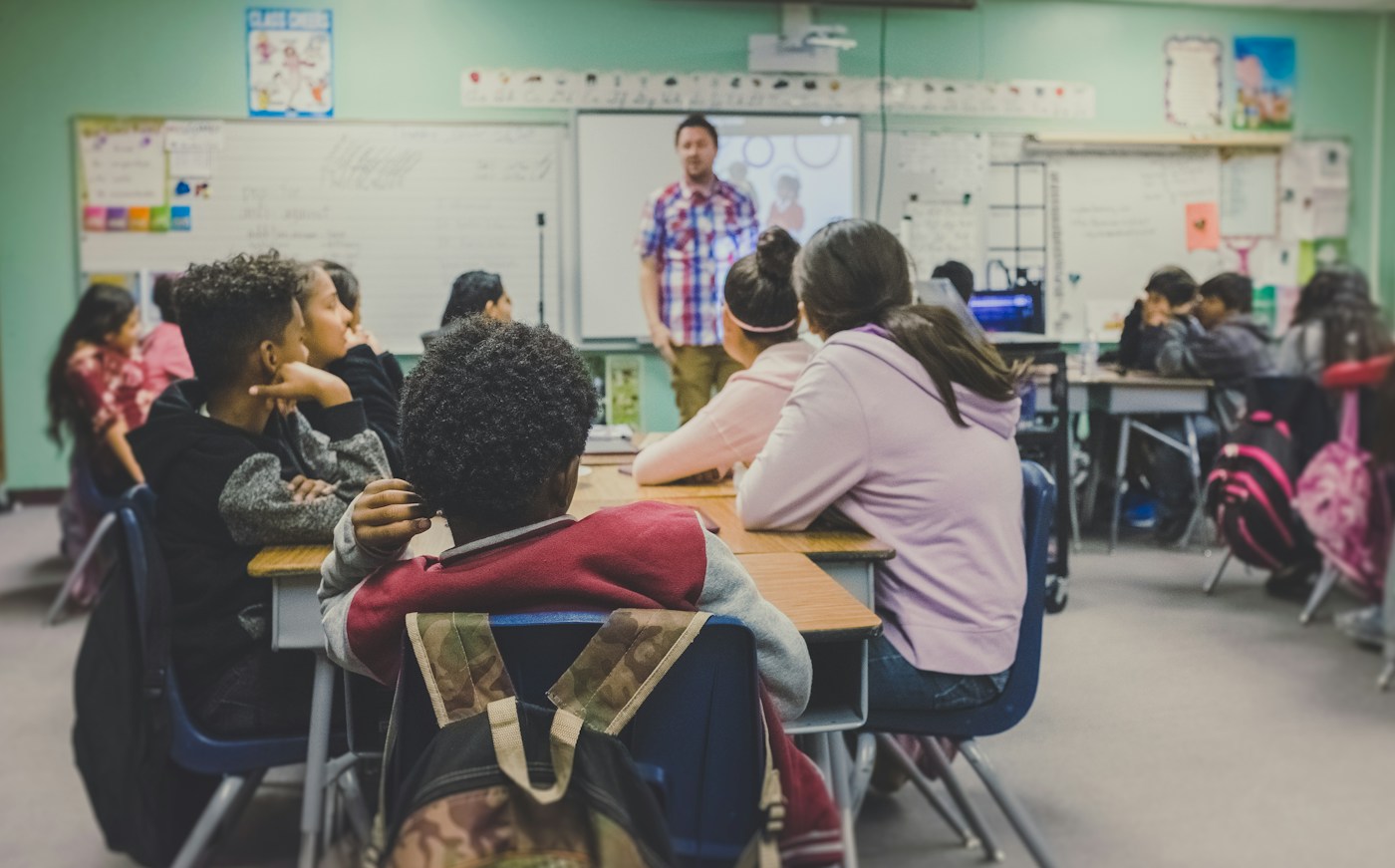
Read increasingly complex texts, support an interpretation with evidence, and develop organized written arguments.
Build confidence with fractions, decimals, ratios, geometry, and increasingly sophisticated problem solving.
Plan multi-step assignments, reflect on feedback, collaborate responsibly, and contribute to younger students’ experiences.
Students may investigate a community question, compare sources, analyze data, and present a proposed solution. Teachers provide clear expectations and regular check-ins while gradually transferring more responsibility to the learner.
Art, movement, shared reading, and time with peers are part of a balanced learning experience. Families gain a clear view of progress through teacher feedback and scheduled conversations.
Explore tuition & payment optionsTeachers use observations, student work, and short skill checks to plan practice, extension, and support. Placement and learning needs would be discussed during the admissions conversation.
Notice how children ask questions, how teachers respond, and how the day balances independent work, collaboration, and movement.
An end-of-year conversation can identify strengths, areas for practice, and helpful routines for the transition ahead.
Get to know the learning, the people, and the everyday moments that make a school feel right.
Plan your visit